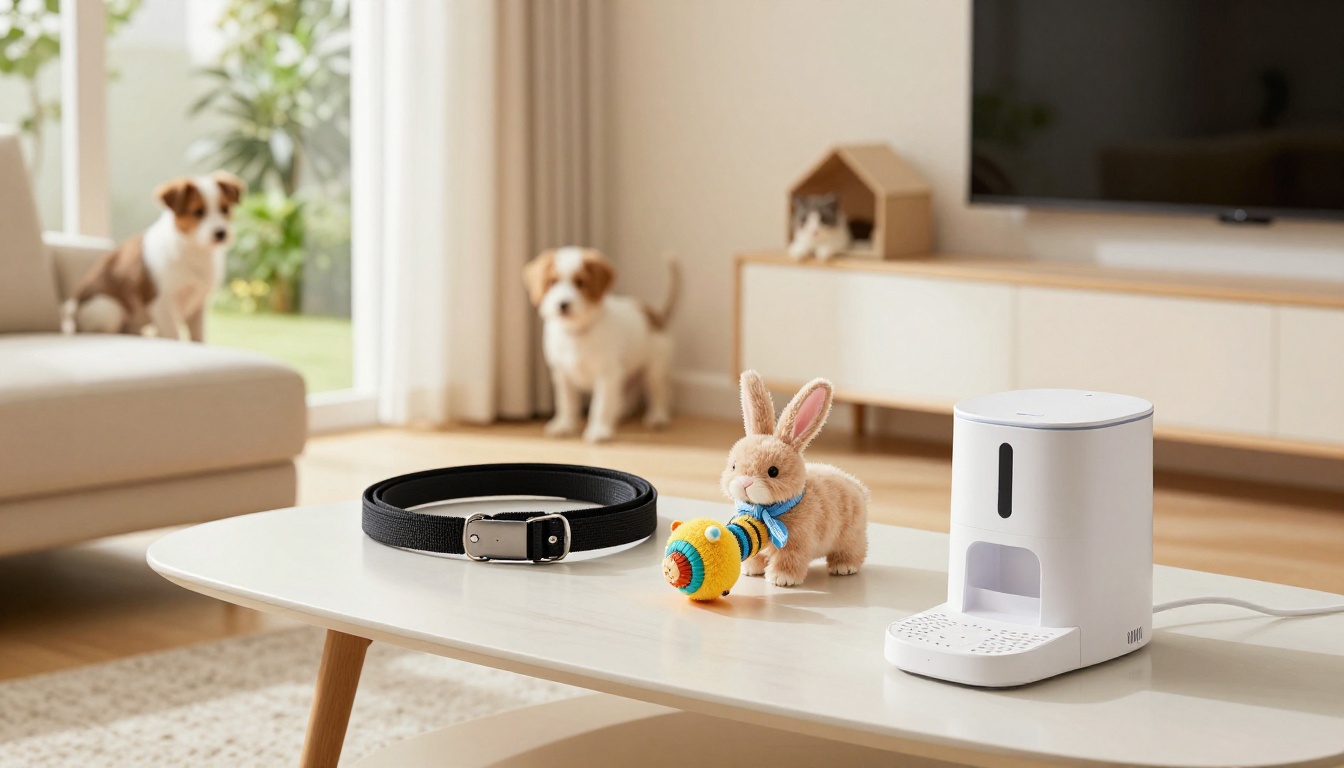
Picture this: a fluffy tail wags wildly at the door, or soft purrs fill quiet evenings. That new pet brings instant joy to your family. But without prep, chaos follows fast. Wires get chewed, plants topple, and vet trips drain your wallet.
You can dodge those headaches. Prep your home right, and your pet settles in smooth. This guide walks you through key steps. First, match a pet to your life. Then grab supplies, fix hazards, proof rooms, and rally your crew. In 2026, smart feeders and trackers make care easier for busy folks. Let’s get started.
Pick the Best Pet Match for Your Home and Routine
Your lifestyle sets the stage. Active families often pick dogs for hikes and play. Apartment dwellers lean toward cats, who nap most days. Rabbits suit small spaces too; they hop around with little fuss.
Consider your home size first. A big yard fits energetic pups. Tight quarters call for low-energy breeds. Time matters next. Dogs need walks twice daily. Cats groom themselves. Rabbits play in short bursts.
Budget plays a role. Dogs cost more in food and vet bills. Cats run cheaper overall. In 2026, about 95 million U.S. homes own pets. Dogs lead at 45 to 53 percent of households. Cats hold steady at 32 percent. Small animals like rabbits fill six million homes.
Research breeds for temperament. Labs love kids. French Bulldogs adapt to cities. Talk as a family. Who walks the dog? Who cleans the litter?
Top Pet Picks Gaining Popularity in 2026
Dogs stay top choice. They top 89 million in number. Families pick Labs for gentle play. Yet apartment trends favor French Bulldogs. Their small size and chill vibe fit urban life. Check 2026 rankings of popular breeds for family fits.
Cats thrive anywhere. Steady numbers hit 73 million. They suit solo workers or allergy homes with low-shed breeds.
Rabbits surge for low upkeep. Gentle and quiet, they bond deep in small pads. Younger owners drive this shift.
Smart tech boosts all. GPS trackers keep tabs on roamers. Automatic feeders sync with apps.
Questions to Ask Before Committing
Does your space fit? Measure rooms and yards. Pups need room to romp.
How much time daily? Dogs demand 30 to 60 minutes out. Cats need less.
Budget check: Food, vet, gear. Dogs average higher spends.
Allergies in the house? Test with short visits.
Other pets? Slow intros build peace.
Stock Up on Key Supplies to Avoid First-Day Scramble
Don’t shop last minute. A stocked home means calm starts. Basics cover food, bed, and toys. Pick high-protein kibble with canola meal for energy.
Vet kits start strong. Get vaccines, flea meds, heartworm preventives. Schedule that first checkup.
2026 brings smart picks. Feeders dispense on schedule. Trackers alert on escapes.
Tailor to type. Puppies crave crates for potty training. Kittens need litter setups.
Dog-Specific Gear That Makes Life Easier
Crates build safe dens. Size them right; pups grow fast.
Leash, collar, ID tags prevent losses. Chew toys save shoes.
Bowls stay elevated for joints. See new puppy checklists for full runs.
Baby gates block off zones.
Cat and Rabbit Essentials for Happy Settling
Litter box with scoop. Collapsible ones save space for rabbits too.
Scratching posts protect furniture. Toys like lasers spark hunts.
Bedding nests them cozy. Hay for rabbits doubles as chew.
Spot and Secure Common Hazards Before They Hurt
Pets explore low and fast. Get on your knees. Spot risks others miss.
Coins tempt swallows. Hair ties tangle guts. Rubber bands snap pain.
Plants poison quick. Lilies kill cats. Research your greenery.
Cords invite chews. Fires or shocks follow. Cleaners hide in cabinets.
Trash lures raids. Dryers trap hideaways.
One fix: child locks on low spots. Peace comes from prep.
Electrical and Chewing Dangers to Lock Down
Tape cords high or use covers. Pets chew through insulation.
Outlet plugs stop shocks. Furniture pushes block access.
Toxic Items and Small Swallows to Banish
Ditch toxic plants. Meds stay locked.
No plastic bags or strings. Check Humane Society hazard guide for full lists.
Trash bins seal tight.
Pet-Proof Each Room for Total Safety
Curiosity drives new pets. Proof every spot. Start with high-traffic areas.
Gates corral pups. Rugs hide no slips.
Allergy homes add purifiers. Dander drops fast.
Walk through daily at first. Adjust as they learn.
Living Room and Common Spaces Setup
Clear floors of toys. Couches stay chew-free with bitters.
Baby gates section off stairs.
Kitchen, Bath, and Bedroom Quick Fixes
Locks on cabinets block cleaners. Trash under sinks locks.
Shut drawers, dryers, washers. No nap traps.
Rally Your Family and Budget for Long-Term Success
Family buy-in seals deals. Hold a quick meet. Assign tasks clear.
Kids learn feeding fun. Adults handle vets.
Other pets need slow meets. Swap blankets for scents first.
Budget smart. Food runs $50 monthly. Vets hit $580 yearly for dogs, $433 for cats.
Wellness plans cover exams. Insurance averages $43 monthly for dogs.
DIY grooming saves. Brush weekly. Trim nails gentle.
Preventive care shines. Vaccines, dental chews, puzzle toys keep minds sharp.
Set Clear Roles and Schedules at Home
Post a chart. Mom walks mornings. Kid feeds evenings.
Rotate cleanups fair.
Build a Realistic Pet Budget with 2026 Musts
Food: $300 to $600 year.
Insurance: Check 2026 pet care costs.
Tech like feeders: $100 one-time.
Emergencies: Save $1,000 fund.
Prep turns homes into havens. Match your pet right. Stock gear. Hunt hazards. Proof rooms. Unite your team.
Your new buddy thrives safe. Start today with a room sweep. Share your story below. What prep surprised you? Subscribe for more tips. Find a vet near you soon. That wagging tail waits.