
You bring home a fluffy kitten or bouncy puppy. Excitement bubbles up. Yet nerves hit too. Your new pet cowers in the corner. It hides from your voice. Those first days feel awkward.
Building trust with a new pet takes patience. It does not happen overnight. Simple steps help though. You create safety. You respect their pace. Soon a loyal friend emerges.
Many owners rush in. They expect instant love. Instead pets need time to decompress. Experts use the 3-3-3 rule. First three days bring pure survival mode. Hiding stays normal. Next three weeks build basic routines. Full bonds form over three months. This rule applies to dogs, cats, even rabbits.
You prepare your home. You handle first meetings right. Daily habits strengthen ties. Avoid key errors. Watch for progress signs. These steps lead to joy. Your pet relaxes. It plays with you. A happy companion awaits. Let’s start with home setup.
Set Up Your Home to Help Your Pet Feel Safe Right Away
Prep matters most before arrival. A safe space cuts stress fast. Pick a quiet room corner. Add a soft bed. Place food and water bowls nearby. Scatter a few toys. For cats include a litter box close by. Keep lights dim. This spot becomes their haven.
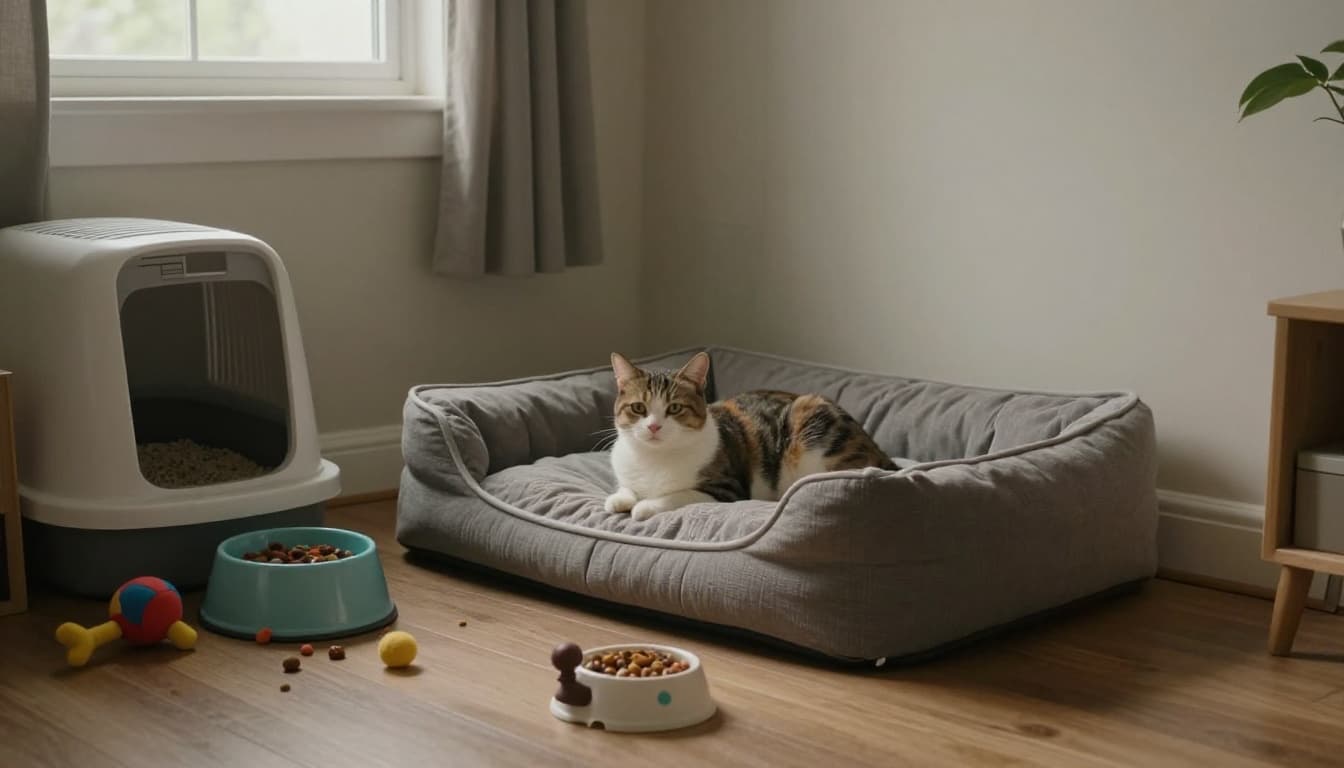
The 3-3-3 rule for dogs explains phases well. In the first three days your pet decompresses. It scans for threats. Hiding shows caution not rejection. By week three routines settle in. Full trust grows by month three. Cats follow a similar path, as this guide for new cat owners notes.
Plan feeding times now. Stick to the same schedule daily. Use the same bowls. Dogs thrive on walks at set hours. Cats prefer play in evening spots. Rabbits need hay always available. Consistency makes the world predictable. Your pet learns you provide reliably.
Block loud areas. Close doors to busy rooms. No kids or guests yet. Limit scents from cleaners. Fresh smells overwhelm. Test the space yourself. Sit there quietly. Does it feel calm? Adjust as needed.
Stock essentials ahead. Choose puzzle toys for mental ease. Water stays fresh always. Food matches shelter type. Switch slowly over days. This prevents tummy upset. Your prep shows care before they arrive.
Because you set clear boundaries pets relax faster. They explore on terms. Stress drops. Trust starts here. Dogs sniff beds first. Cats claim boxes. Watch without pushing. This base supports all next steps.
Nail Your First Interactions Without Scaring Them Off
Enter the room calm. Sit on the floor far away. Let your pet approach first. No reaching out. They control the pace.
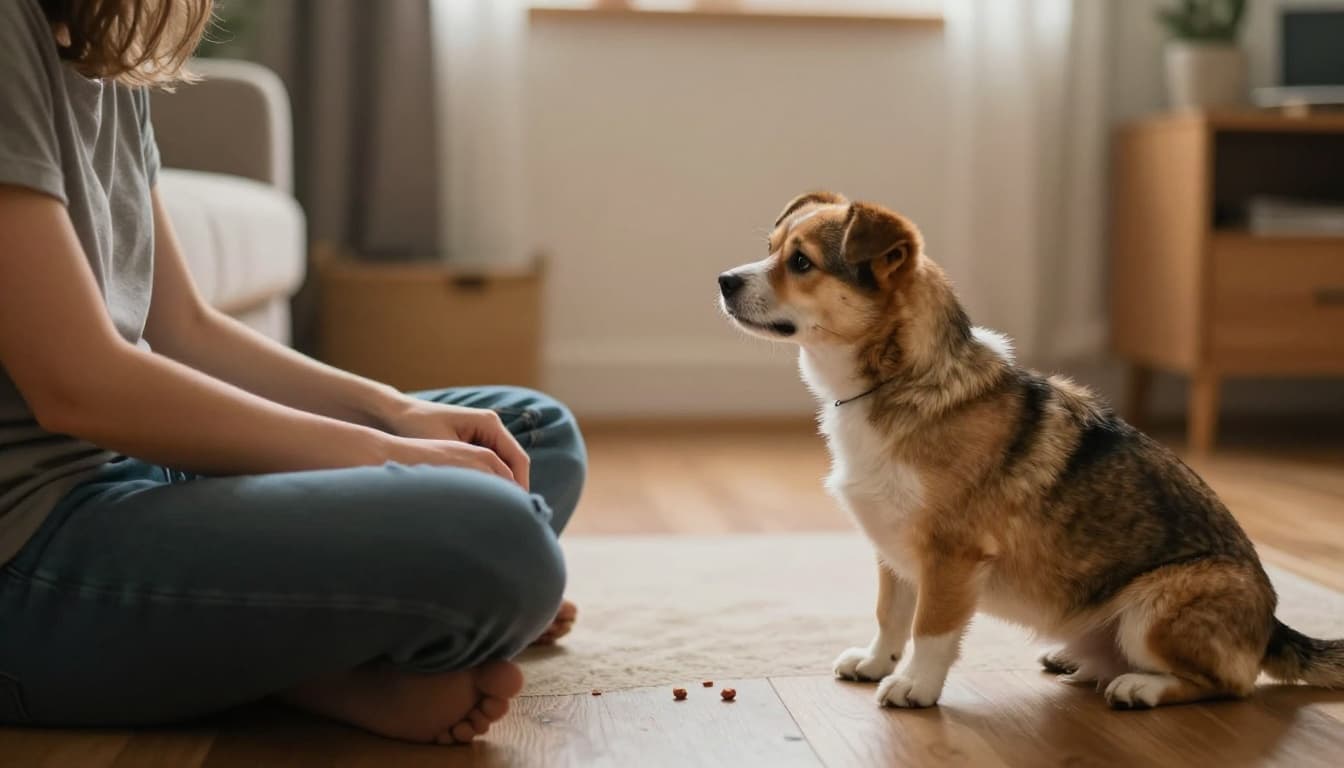
Staring scares most pets. Use side glances instead. Speak in soft tones. “Good puppy” works fine. Toss treats gently. No hand grabs. Pets link you to good things.
One owner tried this with a shelter cat. She sat daily for 10 minutes. The cat watched then edged closer. By day four it ate nearby. Patience paid off.
Dogs sense your tension. Breathe deep. Stay loose. Cats need slow blinks. It signals friend not foe. Provide hiding spots always. Cardboard boxes delight them.
For rabbits stroke gently if they nudge. Avoid quick moves. All pets read body cues sharp.
Use Your Voice and Body Language Wisely
Talk during meals. Soft words soothe. Turn your back often. It invites them near. Never force pets out. They hide when ready.
Yell nothing. Calm stays key. Your steady voice builds safety. Pets mirror your peace. As a result bonds form smooth.
Create Daily Routines That Strengthen Your Bond
Consistency breeds security. Feed at exact times. Walk dogs same path first. Play with cats post dinner. Predictability reassures.
Use positive reinforcement always. Praise good sits. Offer treats for calm. Never scold messes. Pets repeat what earns joy.

Talk through chores. Narrate your moves. “I’m washing dishes now.” It normalizes sounds. Short petting sessions daily help. Stop before they tire.
The rising Trust Technique fits 2026 trends. Sit quiet together. Share calm breath. Pets unwind beside you. No force involved.
Dogs gain walk confidence. They heel loose. Cats chase toys bold. Everyone follows happier.
Make Playtime a Trust Booster
Let pets pick toys. Dogs choose fetch balls. Cats bat strings. Follow their lead. This empowers them.
Short bursts work best. Five minutes twice daily. They decide end too. Play links you to fun.
Reward Calmly and Consistently
Treats follow good acts. Praise voice high. No bribes for basics. Sit first then reward. Pets learn clear links.
Skip food lures. Use praise base. Add treats sometimes. Consistency cements habits.
Steer Clear of These Common Mistakes That Break Trust
Force cuddles early. Pets back away scared. Invite instead. Confusion kills progress.
Inconsistent rules confuse. Feed times shift. Walks skip. Pets doubt your reliability. Stick firm.
Top mistakes new owners make include rushing bonds. Expecting instant love sets you up wrong. Patience rules.
Yelling or staring spikes fear. Punishment teaches nothing good. Positive stays best.
Too many visitors overwhelm. Limit to family first. Changes jar nerves.
Old dominance ideas fail now. Kind methods win as experts agree. Fix with space and calm.
Know When Your Pet Starts Trusting You More
Pets approach you first. Big sign. They relax near your feet. No more constant hiding.
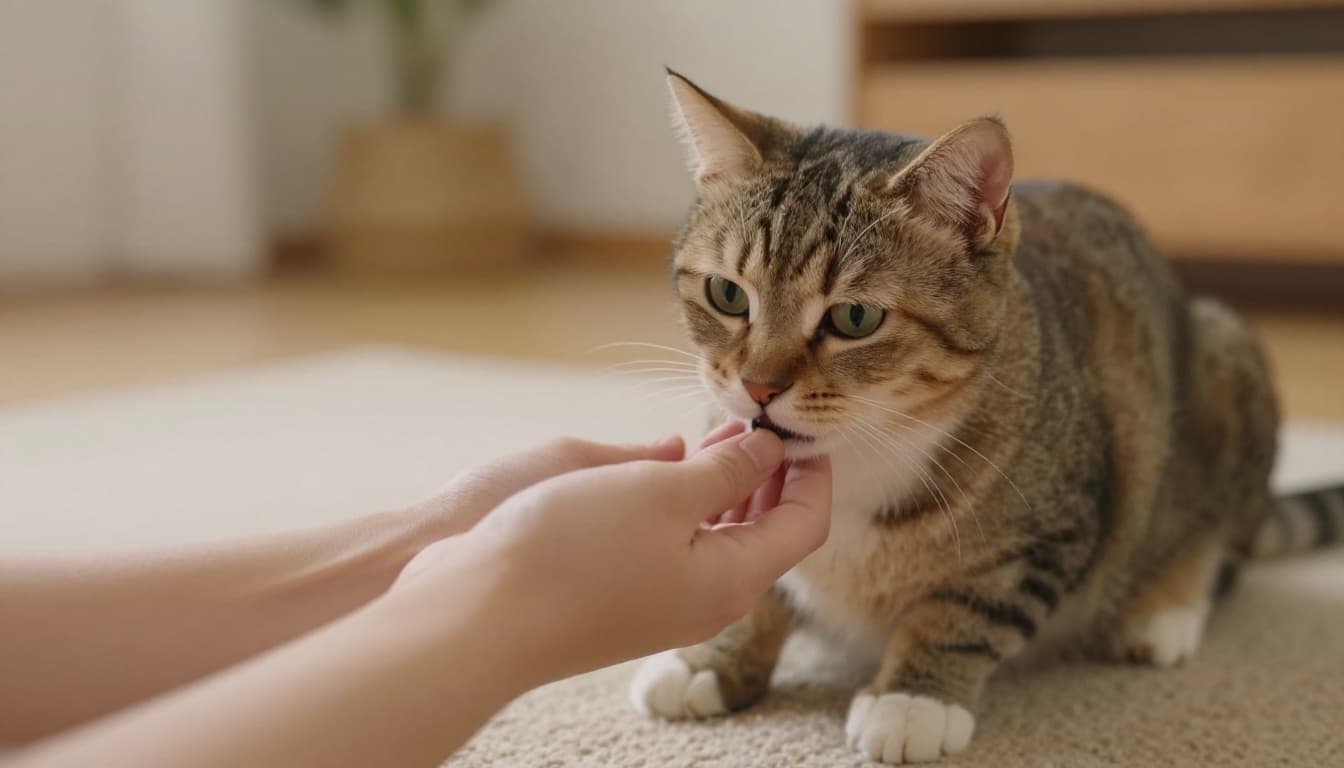
Tail wags greet you. Purrs rumble close. Rubs seek pets. They follow room to room.
Eye contact grows on their terms. Play energy rises. Eating normalizes. Sleep deepens nearby.
After 3-3-3 they respond to name. Celebrate treats. Note wins in journal. Excitement builds.
Prep sets safety. Gentle meets start right. Routines lock bonds. Dodge errors. Spot gains.
Patience tops all. 2026 sees mindfulness rise. Trust Technique spreads calm. Positive reinforcement leads.
Start today. Set that space. Watch magic unfold. Share your pet story below. What sign thrilled you first? Your loyal pal waits.