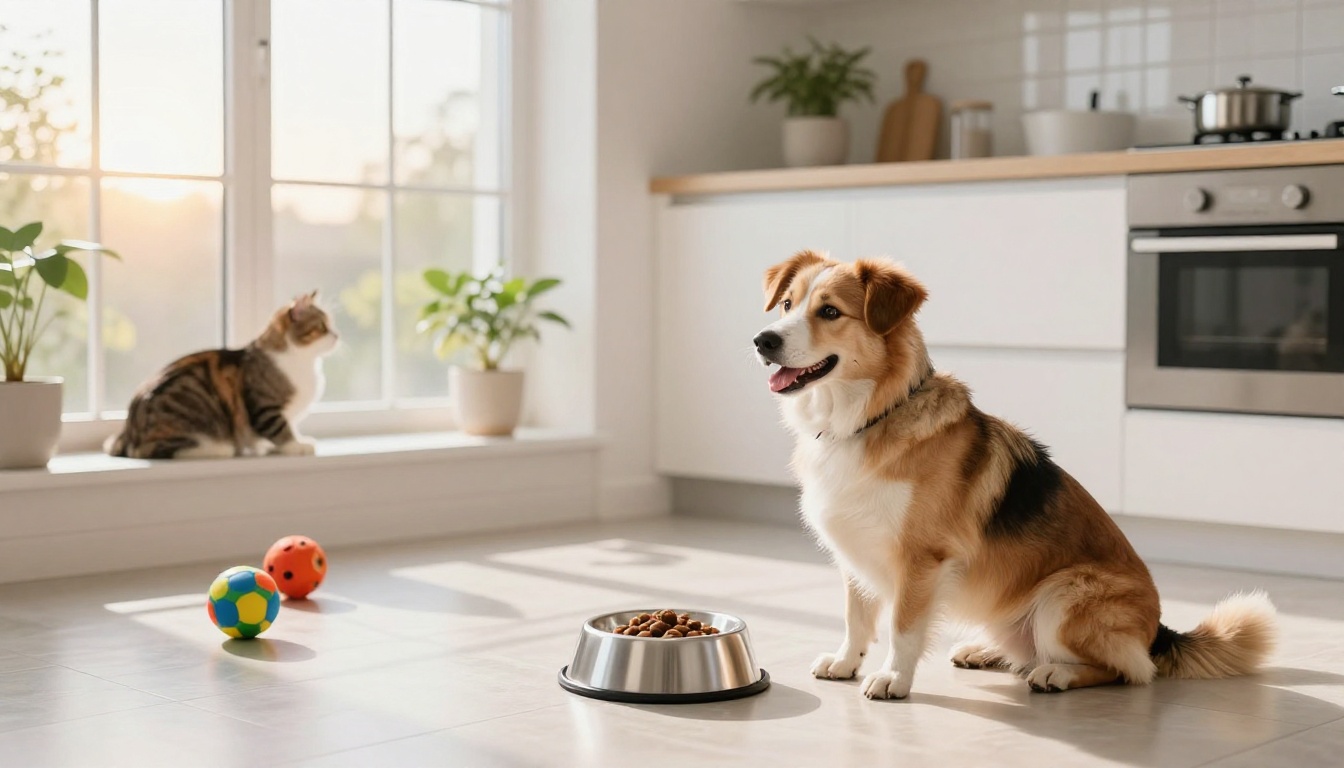
Picture your dog pacing at the door, full of energy but bored. Or your cat staring out the window, tail flicking in frustration. These scenes happen because pets crave structure. Without it, they face stress, weight gain, and poor health. A solid routine fixes that. It brings better behavior, stronger bonds, and longer lives.
Vet experts in 2026 agree. Consistent schedules cut anxiety and boost wellness. Feeding, exercise, play, grooming, and sleep form the core. These elements work for dogs, cats, birds, fish, and small mammals. Yet each pet needs tweaks.
You’ll see why routines matter. This post covers morning starts, daytime action, evening wind-downs, type-specific plans, and fixes for slip-ups. Start small. Your pet will thank you with wags, purrs, or chirps.
Kick Off the Day Right with Morning Essentials
Pets wake ready for action. Fresh water sits first. It hydrates them after sleep. Next comes feeding. Portion control matters. Use high-quality, minimally processed food. Vets push this trend now.
Consistency builds habits. Feed at the same time daily. It prevents begging or obesity. A gentle wake-up follows. Short play or walks spark energy. Grooming checks close the routine. Brush teeth or coats. These steps set a calm tone.
Dogs love 20-30 minute walks. Cats chase lasers for fun. Small changes yield big results.
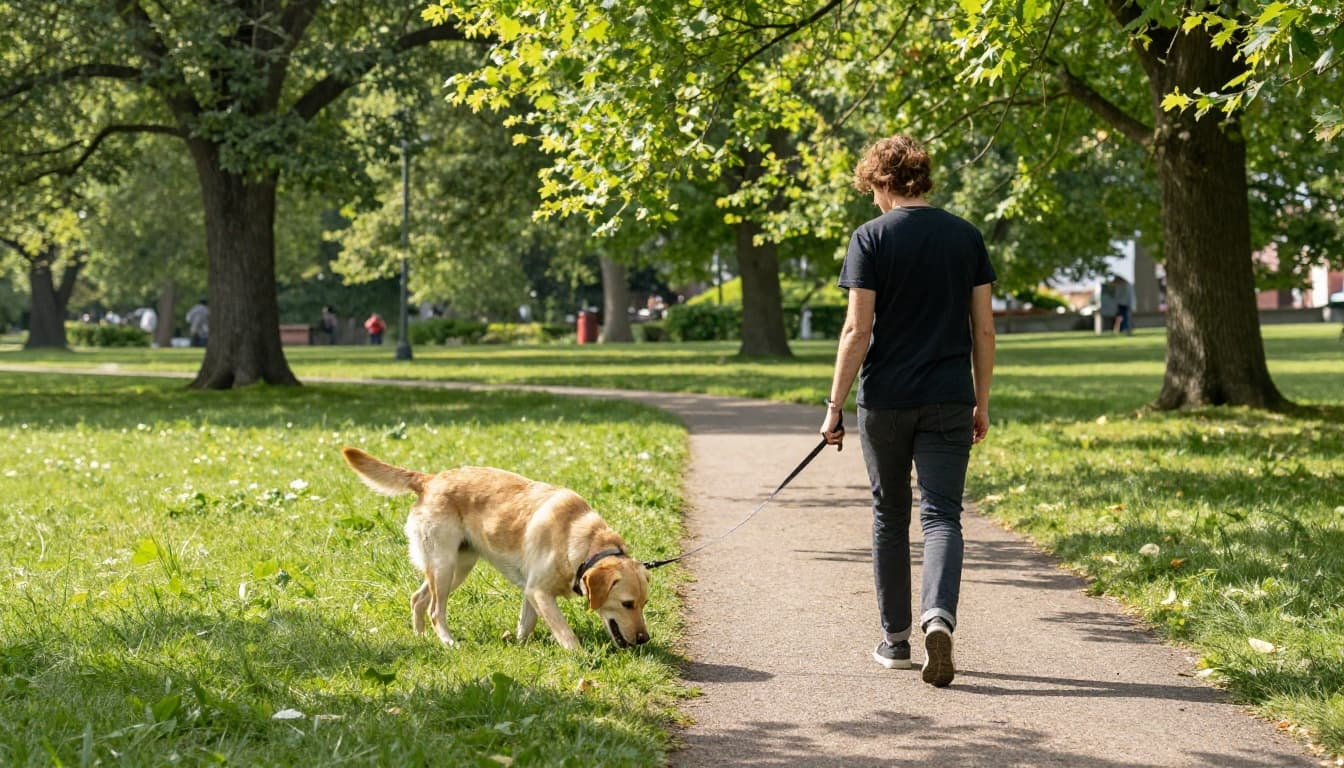
For more on dog wellness plans, check this 2026 pet wellness guide from Haw Creek Animal Hospital.
Feeding First Thing to Set a Healthy Tone
Start with breakfast. Feed twice daily for most pets. Measure portions. Vet-approved food packs proteins and veggies. Skip table scraps. They upset stomachs.
Fish eat small amounts in two to three minutes. Birds get seeds, pellets, and fruits. Small mammals munch pellets plus hay. Always refresh water. Clean bowls daily.
Set times work best. For example, 7 a.m. and 6 p.m. This rhythm aids digestion. In 2026, owners choose subscription services for fresh, tailored meals.
Quick Exercise Bursts to Wake Up Their Body
Move next. Dogs need 20-30 minutes of walks or fetch. Cats play with toys for five to 10 minutes. Small mammals roam one hour out of cages. Birds stretch on perches.
Adjust for age and breed. Puppies bounce more. Seniors take slower strolls. These bursts build muscle. They also lift moods. Track steps with apps if you want.
Power Through the Day with Play, Exercise, and Care
Midday brings peak energy. Mental games fight boredom. Puzzles and training sharpen minds. Exercise totals add up. Dogs hit 30-60 minutes. Cats take short bursts.
Grooming prevents trips to the vet. Naps refresh in quiet spots. Rotate activities. This keeps interest high.
Puzzle feeders top trends. They slow eating. Automated ones suit fish tanks.
Fun Ways to Keep Their Mind Sharp and Body Fit
Try puzzle toys. Dogs nose out treats. Cats bat wand toys. Birds forage in toys. Small mammals run wheels.
Change routes on walks. Add climbing perches for cats. Train simple tricks. Dogs sit on cue. Birds wave wings. Do this 15 minutes daily.
Rotate toys weekly. Boredom fades. Anxiety drops as a result.
Grooming Habits That Prevent Vet Visits
Brush fur often. Dogs need it three to seven times weekly. Cats get two to three sessions. Birds enjoy mist baths. Small mammals see weekly brushes. Fish require tank checks.
Teeth matter most. Use chews or pastes. Nail trims stop scratches. Clean habitats daily. For birds, follow this cage cleaning schedule.
These habits cut plaque and infections.
Wind Down Smoothly for Better Sleep and Recovery
Evenings calm the crew. Serve dinner. Follow with light play. Bedtime comes next. Pets sleep 12-14 hours for dogs and small mammals. Cats rest 12-16 hours. Birds need 10-12. Fish dim lights for eight to 12 hours.
Quiet, dark spots help. Stick to times. Family cuddles end the day.
Evening Meals and Relaxed Play Sessions
Portion dinner like breakfast. High-quality food again. Add gentle fetch or rolling balls. Puzzle feeders wind down minds.
Finish by 7 p.m. This aids sleep. Avoid excitement late.
Customize Your Pet’s Routine by Type for Best Results
One size doesn’t fit all. Dogs chase balls. Cats hunt solo. Tailor plans with 2026 data.
| Pet Type | Wake & Feed | Midday Exercise/Play | Groom/Sleep |
|---|---|---|---|
| Dogs | 7 a.m. walk, breakfast | 30-60 min play/puzzles | Brush teeth, 12-14 hrs sleep |
| Cats | 7 a.m. play burst, meal | 15-30 min hunts | Brush fur, 12-16 hrs naps |
| Birds | Fresh food, out-time | 1-2 hrs flying/toys | Mist bath, 10-12 hrs dark |
| Fish | Small feed 1-2x | Hiding spots | Tank change, 8-12 hrs dim |
| Small Mammals | Hay/pellets, roam | Wheel/tunnels 1-2 hrs | Nail trim, 12-14 hrs burrow |
Use this table as a start. Adjust portions by weight.
See cat-specific advice in this vet guide on feline health.
Dogs: Active Days Full of Walks and Tricks
Mornings mean 20-30 minute walks. Afternoons bring fetch and puzzles. Groom teeth often. Sleep in crates if trained.
Cats: Short Hunts and Cozy Naps
Play twice daily, five to 10 minutes each. Vertical spaces thrill them. Brush to fight hairballs. Puzzle food slows meals.
Birds, Fish, and Small Pals: Simple Schedules That Work
Birds fly out one to two hours. Toys mimic flocks. Fish get sparse feeds. Change water weekly. Hamsters wheel at night. Rabbits chew hay tunnels.
Troubleshoot Common Routine Pitfalls
Irregular feeding packs on pounds. Too little exercise sparks anxiety. Track with apps. Seniors need gentler paces. Puppies crave more play.
Vet check-ups catch issues early. Try enrichment hides. Dust-free bedding suits sensitive pets. Apps alert on sleep changes.
For dog routines, this daily care guide offers extras.
A steady routine transforms pets. Feed on schedule. Exercise daily. Play smart. Groom often. Let them sleep well. Match it to their type.
Grab a notebook. Sketch your pet’s day now. Share your plan in the comments. What works for you? Happier pets await. Check our post on best toys for stimulation next.