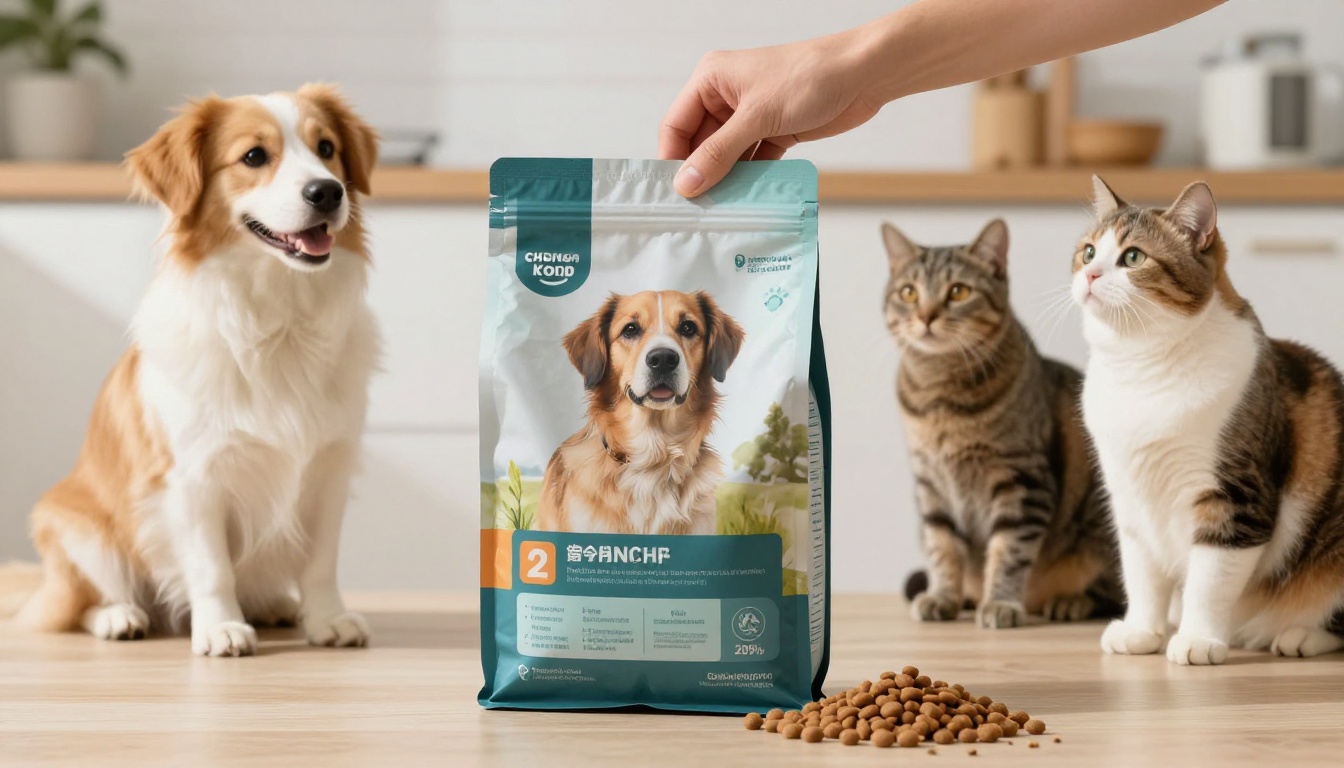
Picture your furry friend eyeing that bag of kibble, tail thumping against the floor. You grab a scoop, but pause: is this really nourishing food, or just colorful junk? Most pet parents face this doubt daily.
Poor labels lead to big issues. Feed the wrong stuff, and you risk obesity (hits about 60% of dogs and cats), allergies from common proteins like beef or chicken, or sluggish energy because calories don’t match needs. Labels follow strict AAFCO rules, yet they confuse beginners with fine print and vague claims.
In this guide, you’ll decode pet food labels for beginners: required parts like the guaranteed analysis and ingredients list, key sections to check first, upcoming 2026 updates such as the new Pet Nutrition Facts Box, common traps to dodge, and smart shopping tips. Stick around, and you’ll shop with confidence for food that keeps your pet thriving. Next, we’ll break down the must-know label basics.
Spot the Eight Key Pieces Every Pet Food Label Must Have
Pet food labels follow AAFCO rules. They list eight key items. These help you pick food that fits your pet’s needs. First, check the species and life stage. You don’t want to feed cat food to your dog. That mismatch causes health problems like kidney issues or poor digestion. Spot these eight pieces quickly. Then you shop smarter.
Here they are in simple terms:
- Product name and brand: Tells you what it is, like “Fido’s Adult Dog Food.”
- Species: Words like “dog food” or “cat food,” not just icons.
- Net quantity: Weight or volume, such as “Net Wt 15 lbs.”
- Nutritional adequacy statement: Confirms it suits growth, maintenance, or all life stages.
- Ingredients list: Sorted by weight, from most to least.
- Guaranteed analysis: Percentages of protein, fat, fiber, and more.
- Feeding directions: Amounts based on your pet’s weight.
- Maker’s info: Company name and contact details.
The first three sit on the front panel. The rest appear on the back or side. For full details, see AAFCO’s guide to reading labels.
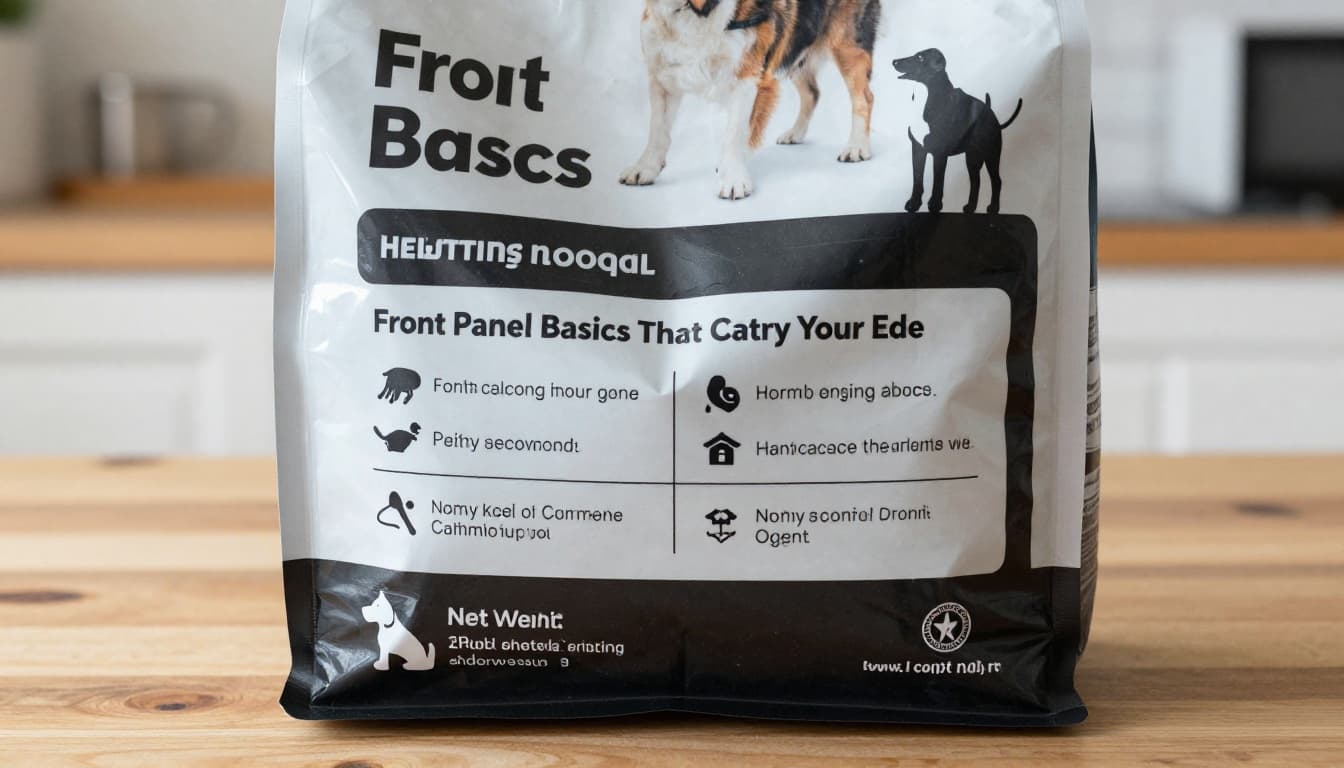
Front Panel Basics That Catch Your Eye
The front panel grabs attention first. It shows three must-haves. These speed up your choice in the store. But don’t stop here. Deeper info hides elsewhere.
Product name comes first. It includes the brand and type. For example, “Fido’s Adult Dog Food” signals it’s for grown dogs. Next, species declaration uses clear words. Look for “dog” or “cat food.” Pictures alone don’t count. Finally, net quantity states the amount. “Net Wt 15 lbs (6.8 kg)” helps compare value.
These basics guide quick picks. However, they skip nutrition facts. Always flip the bag.
Back or Side Panel Details You Need Most
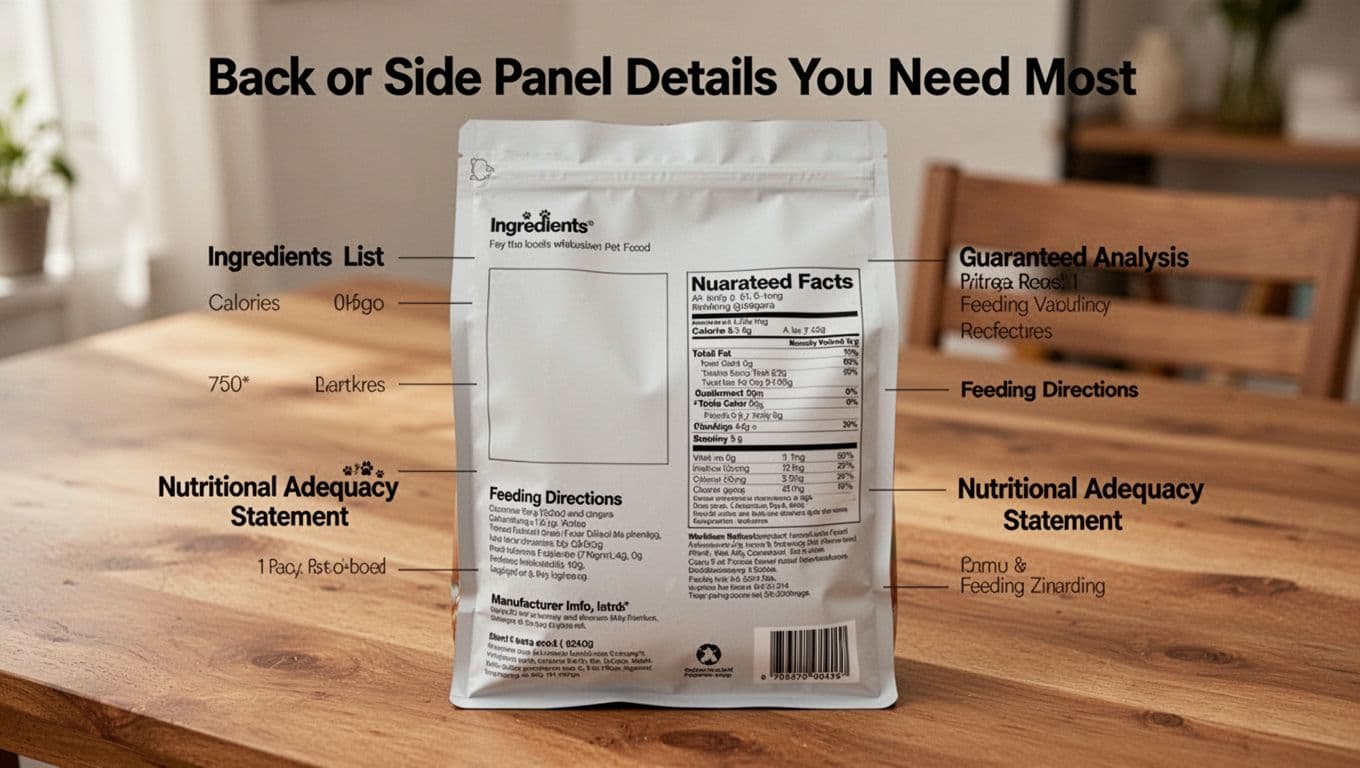
Turn to the back or side for real insights. Five key pieces live here. They reveal nutrition and safety. Calorie counts often appear nearby too.
Start with the nutritional adequacy statement. It says if the food fits growth, maintenance, or all life stages. Pick “all life stages” for puppies and adults. Then, ingredients list orders items by weight. Chicken tops the list? That’s the main protein. Watch for fillers like corn.
Guaranteed analysis lists minimums and maximums. Protein at 26% minimum means solid nutrition. Feeding directions match amounts to pet weight. A 50-pound dog gets specific cups daily. Overfeed, and obesity follows. Last, maker’s address lets you contact them for questions.
These details protect health. They prevent allergies or shortages. Check them every time.
Decode Ingredients and Nutrition Facts Without Confusion
You found the back panel details. Now focus on the two stars: ingredients and nutrition facts. These sections reveal your pet’s real meal makeup. They help you spot quality food fast. Let’s break them down step by step, so you pick winners every time.
What the Ingredients List Really Tells You
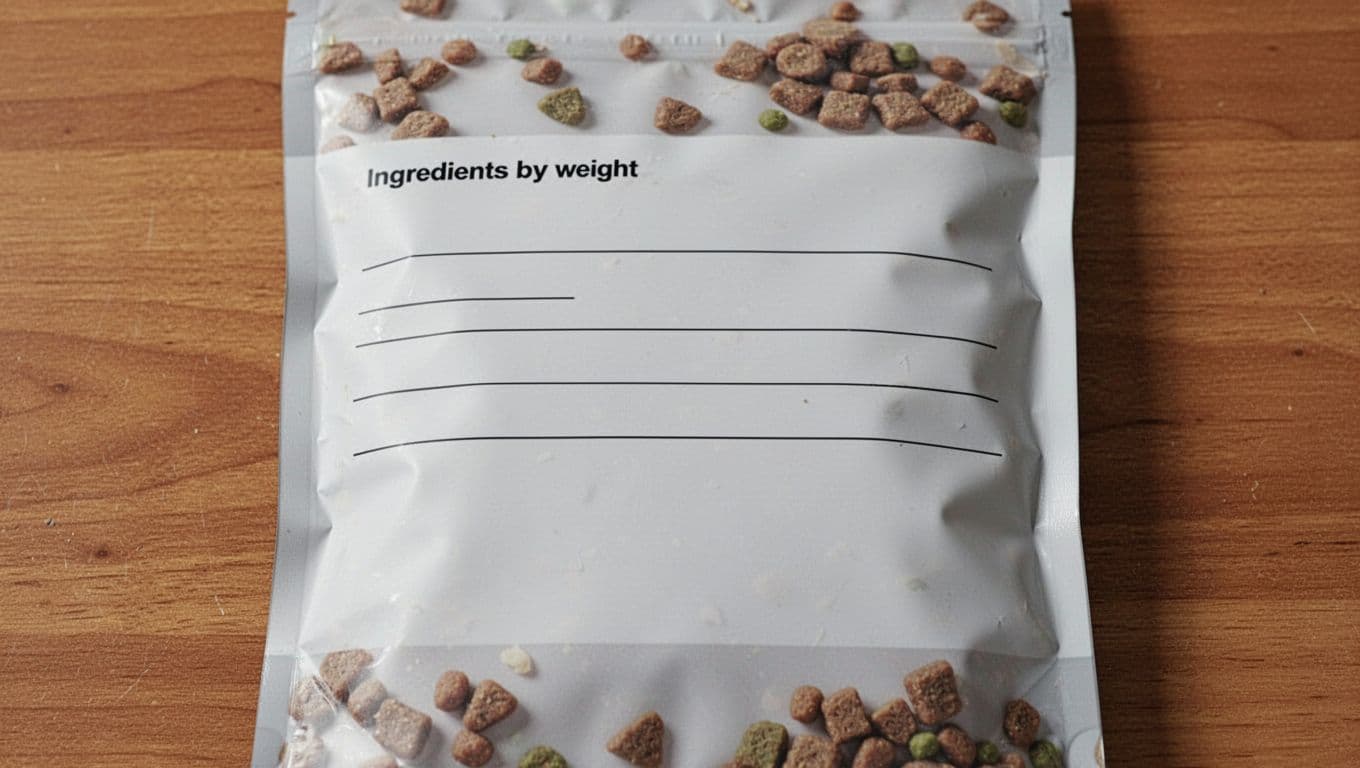
Ingredients list items from heaviest to lightest. The first one makes up the biggest chunk. For example, if chicken tops the list, fresh chicken forms the base. That beats vague terms like “meat meal.”
Check the top five. They shape most of the diet. Named sources shine, such as “beef” or “salmon,” over generics like “animal by-products.” Repeats signal tricks; “chicken and chicken meal” pads the list without adding value.
Spot fillers next. Corn, wheat gluten, or brewers rice often follow meats. They boost volume but offer little nutrition. In contrast, good foods list recognizable items: whole peas, sweet potatoes, or fish oil. Vague phrases hide junk; always chase specifics.
AAFCO requires this order by weight. So scan quickly. Choose lists heavy on named meats and light on grains or by-products. Your pet gets better fuel that way.
Guaranteed Analysis vs the New Facts Box Coming Soon
Current labels show guaranteed analysis as basic percentages. It lists minimums for protein and fat, maximums for fiber and moisture. Crude protein at 26% minimum promises solid levels. However, these dry stats lack context; they ignore serving size or calories.
Change comes with AAFCO’s Pet Food Label Modernization, or PFLM. The new Pet Nutrition Facts Box mimics human food panels. It shows nutrients per cup, gram, or can: protein grams, fat, carbs, and fiber. An “intended use” statement clarifies if it’s a complete diet or treat.
AAFCO published rules in their 2024 guide. Brands have about six years to switch fully, so expect most by 2030. Some update early now. Check AAFCO’s PFLM page for details.
Here’s a quick comparison:
| Feature | Old Guaranteed Analysis | New Pet Nutrition Facts Box |
|---|---|---|
| Nutrients Shown | % protein (min), fat (min), fiber (max), moisture (max) | Grams per serving: protein, fat, carbs, fiber, plus % daily value |
| Serving Info | None | Per cup/gram/can |
| Ease of Use | Basic, hard to compare | Familiar, like grocery labels |
| Extra Details | None | Intended use, storage icons |
This shift makes shopping simple. Compare apples to apples. Old panels work for now, but watch for the upgrade. It empowers you to match food to your pet’s needs perfectly.
Match Food to Your Pet’s Age and Daily Needs
Your pet’s age and routine shape their food choices. Puppies grow fast, so they crave extra protein and calories. Adults stay steady with balanced meals. Seniors often need joint aids and fewer calories. Match the label right, and you fuel health. Ignore it, and problems brew like thin pups or chunky cats. Check the nutritional adequacy statement first. It spells out life stage fit.
Life Stage Clues in the Adequacy Statement
AAFCO sets strict phrases here. Look for “complete and balanced for all life stages.” That covers puppies, adults, pregnancy, and nursing. Foods pass feeding trials or hit nutrient profiles. Or spot specifics like “complete and balanced for adult dogs.” Puppies need more; adult food skimps on growth boosts, so they stay skinny or weak.
Adults thrive on maintenance formulas. These hold steady weight and energy. Seniors benefit from joint support, though AAFCO lacks a senior profile yet. All-life-stages works, but pick nutrient-dense ones to avoid overload. For example, a kitten label says “growth” for high calories. Adult cat food won’t cut it; she grows slow.
New rules from AAFCO’s 2024 guide tighten this. Labels use exact terms like “Complete Dog Food” for everything, or “Complete Puppy Food” for young ones. States enforce by 2026. Mismatches risk deficiencies. Feed adult kibble to a Lab puppy? Expect stunted bones. Always align.

See AAFCO’s label breakdown for full phrases.
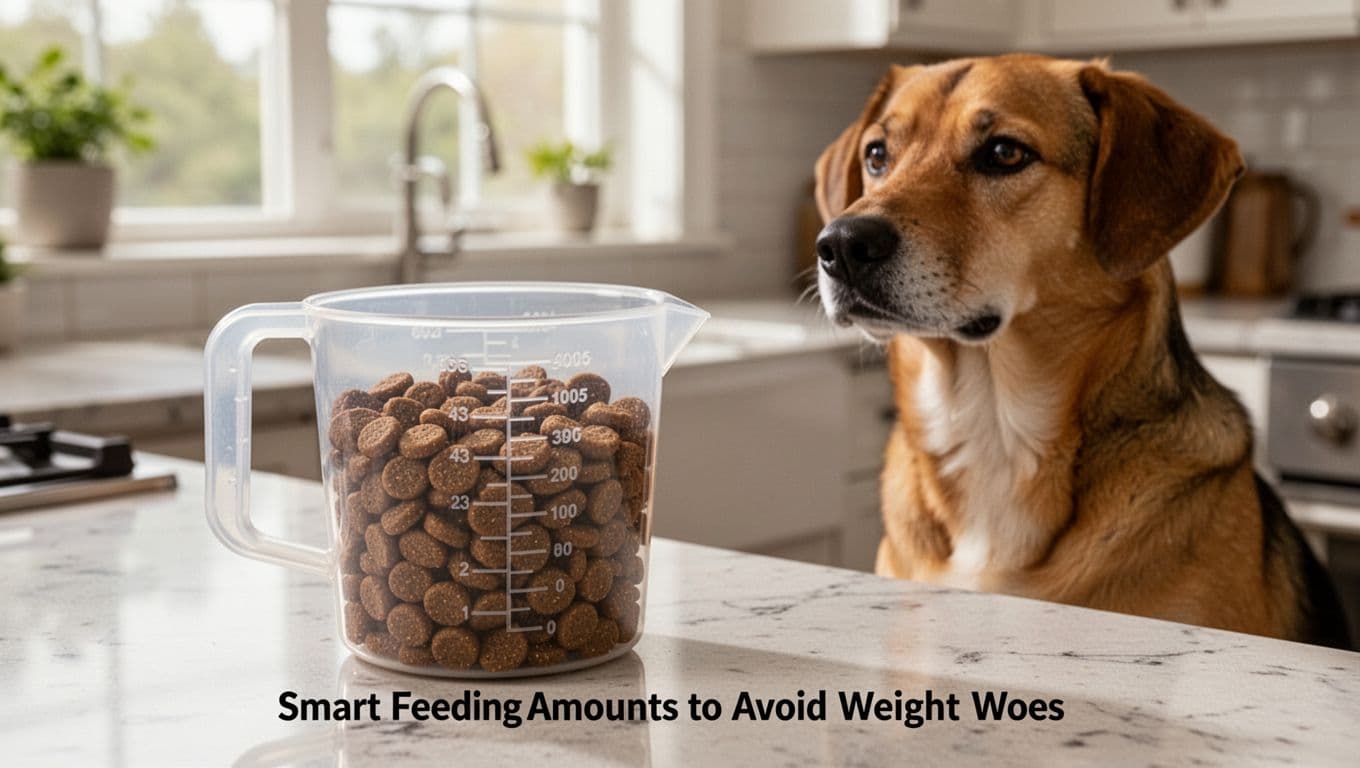
Smart Feeding Amounts to Avoid Weight Woes
Feeding directions guide portions by weight. They prevent overfeeding, which packs on pounds fast. Most dogs eat 2-4% of body weight daily. Small pups hit 4%; big seniors drop to 2%. Always measure; eyeballing adds extras.
Factors tweak amounts. Active dogs burn more, so up it 20-50%. Spayed or neutered pets slow down; cut 10-25%. Puppies eat frequent small meals. Use this chart for adult dogs at normal activity:
| Dog Weight (lbs) | Daily Cups (approx.) |
|---|---|
| 3-12 | 1/2-1 |
| 13-20 | 1-1 1/3 |
| 21-35 | 1 1/3-2 |
| 36-50 | 2-2 2/3 |
| 51-75 | 2 2/3-3 1/3 |
| 76-100 | 3 1/3-4 1/4 |
| Over 100 | 4 1/4 + 1/4 per 10 lbs extra |
Cats follow similar scales, but check labels. A 10-pound cat gets about 1/2-3/4 cup. Treats count calories too; limit to 10% of intake. Watch ribs and waist. Too plump? Trim portions. Too lean? Add a bit. Consult vets for tweaks.
For details, read PetMD’s dog feeding chart. Adjust often, and your pet stays fit.
Dodge These Common Label Reading Traps
Even smart pet parents trip up on labels. Shiny packaging pulls you in, but real facts hide on the back. You grab a bag because it looks premium, yet your dog gains weight or itches nonstop. These slips happen because brands push hype over details. However, you can spot them fast. Let’s cover the big ones, so you avoid bad buys.
Falling for Flashy Fronts Over Back Facts
Front panels dazzle with colors and promises. They shout “premium” or “natural,” but skip nutrition stats. Always flip the bag. Back panels hold the truth: ingredients, analysis, and adequacy statements. For example, a bag boasts “super food,” but lists corn first. That means cheap fillers dominate. Check Sava Vet’s list of label mistakes to see how this fools most shoppers.
Pictures That Trick Species and Life Stage
Cute dog pics don’t prove it’s dog food. AAFCO demands words like “dog food.” Icons alone mislead; cat food sneaks into puppy aisles. Life stage mix-ups hurt too. Adult formulas lack puppy growth boosts. Feed them, and bones weaken. Scan for clear statements. New 2026 rules add front “intended use” labels. They state species and stage right away, cutting confusion.
Vague Claims and Skipping AAFCO Checks
Words like “holistic” or “human-grade” sound great, but lack rules. They mean little without AAFCO backing. Ignore the nutritional adequacy statement, and you risk shortfalls. It must say “complete and balanced” via tests or profiles. Vague ones fail pets. Always hunt AAFCO phrases first. Upcoming changes standardize claims, so labels get honest by 2030.
Pro Tips to Shop Like an Expert
Beat traps with quick habits. First, confirm AAFCO compliance on the back. Next, demand named meats like chicken at the top of ingredients. Skip if by-products or grains lead. Finally, note the maker’s details; reputable ones like VICTOR Pet Food list clear contacts. These steps make you a pro. Your pet eats better, and you save regrets.
Conclusion
You now know the eight key label pieces. You can decode ingredients lists and guaranteed analysis. You match food to life stages and dodge common traps. Best of all, you prep for the Pet Nutrition Facts Box by 2030.
Grab that next bag of kibble with fresh eyes. Check the back panel first. Your pet gets real nutrition because you read smart.
Share your pet food wins in the comments below. Subscribe for more tips on keeping tails wagging. Healthier, happier pets start right here on the label.
Got questions? Check our FAQ next.