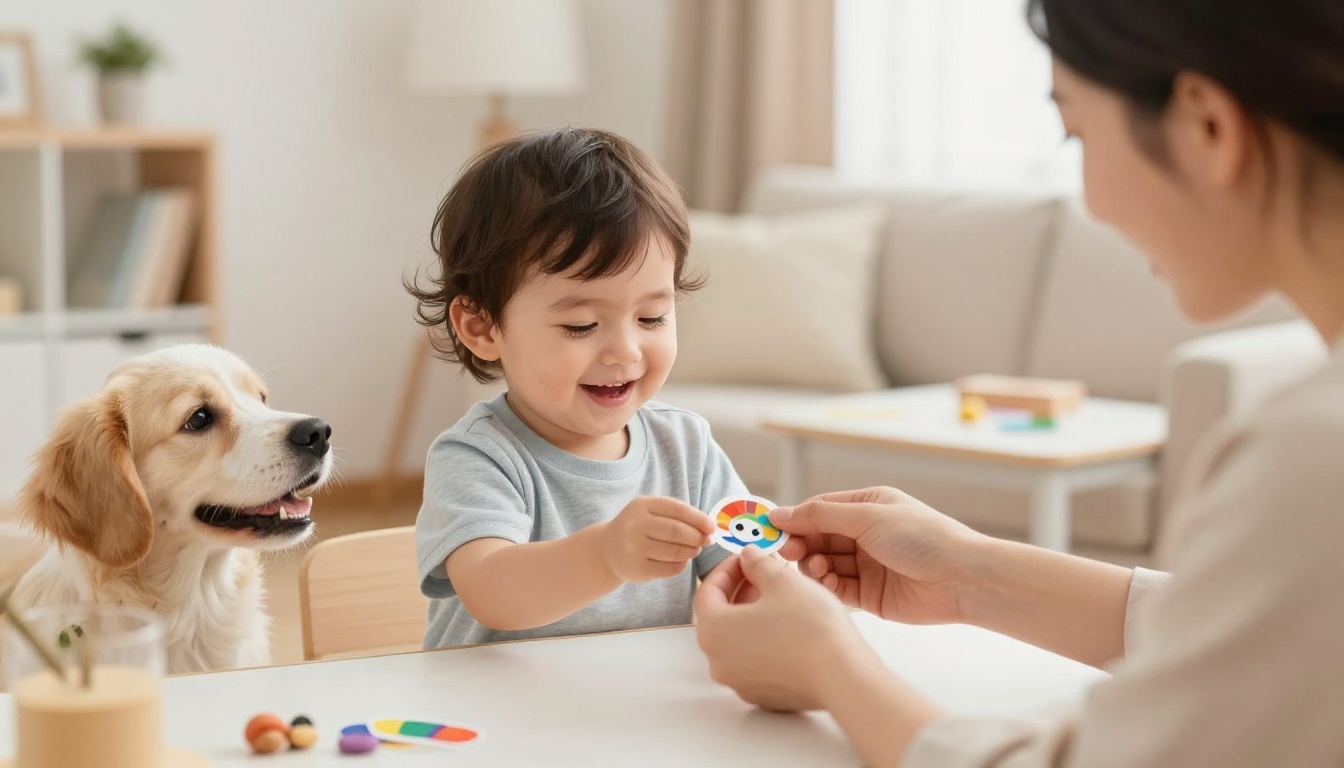
Picture this. You hand your toddler a sticker right after they share a toy. Their face lights up. Next time, they share without a nudge. Or maybe you give your dog a treat the second it sits on command. It happens again and again.
Positive reinforcement means you add something nice, like praise or a reward, right after good behavior. This makes the action repeat. Psychologist B.F. Skinner discovered this through operant conditioning. It works in homes, classrooms, offices, and with pets. No yelling needed.
You will find simple steps, techniques, examples, benefits, and fixes for common slips ahead. These tools build better habits fast.
The Simple Science of How Positive Reinforcement Shapes Behavior
Positive reinforcement follows basic rules from operant conditioning. You reward good actions. This strengthens them. Good things after good moves make brains crave repeats.
Start with five steps. First, pick one clear behavior, such as picking up toys. Next, choose a reward that excites, like extra playtime. Then, deliver it instantly with energy. Track if the behavior grows. Adjust based on results.
Rewards fall into types. Natural ones include hugs or smiles. Tangible items offer stickers or snacks. Social praise says “well done.” Tokens use points for later prizes.
Timing links the action to the payoff in the brain. Consistency builds trust. Plan ahead. Stay steady at first.
Why Timing and Consistency Make All the Difference
Rewards must follow actions right away. The brain connects them then. A delay confuses it. Think of touching a hot stove. Pain comes fast. You learn quick.
At first, reward every time. This sets the habit. Later, fade to sometimes. The behavior sticks anyway.
Everyone differs. Watch what motivates your kid or pet. One loves praise. Another wants treats. Tailor it.
Consistency matters most. Skip rewards, and habits fade. Reward wrongs, and problems grow. So, observe and adjust.
Easy Positive Reinforcement Techniques Anyone Can Use Today
Start simple. Verbal praise tops the list. Say “Great job sharing that toy!” right after. Add enthusiasm. Be specific. Kids and pets hear what works.
High fives or hugs follow close. They build quick bonds. Extra privileges, like screen time, motivate bigger tasks. Clap or cheer for fun boosts.
Share good deeds. Tell grandma about clean rooms. This adds social shine.
Personalize always. Test what clicks.
Mastering Verbal Praise and Social Rewards
Verbal praise costs nothing. Name the good act fast. “You put shoes away so quick!” feels real. It boosts confidence.
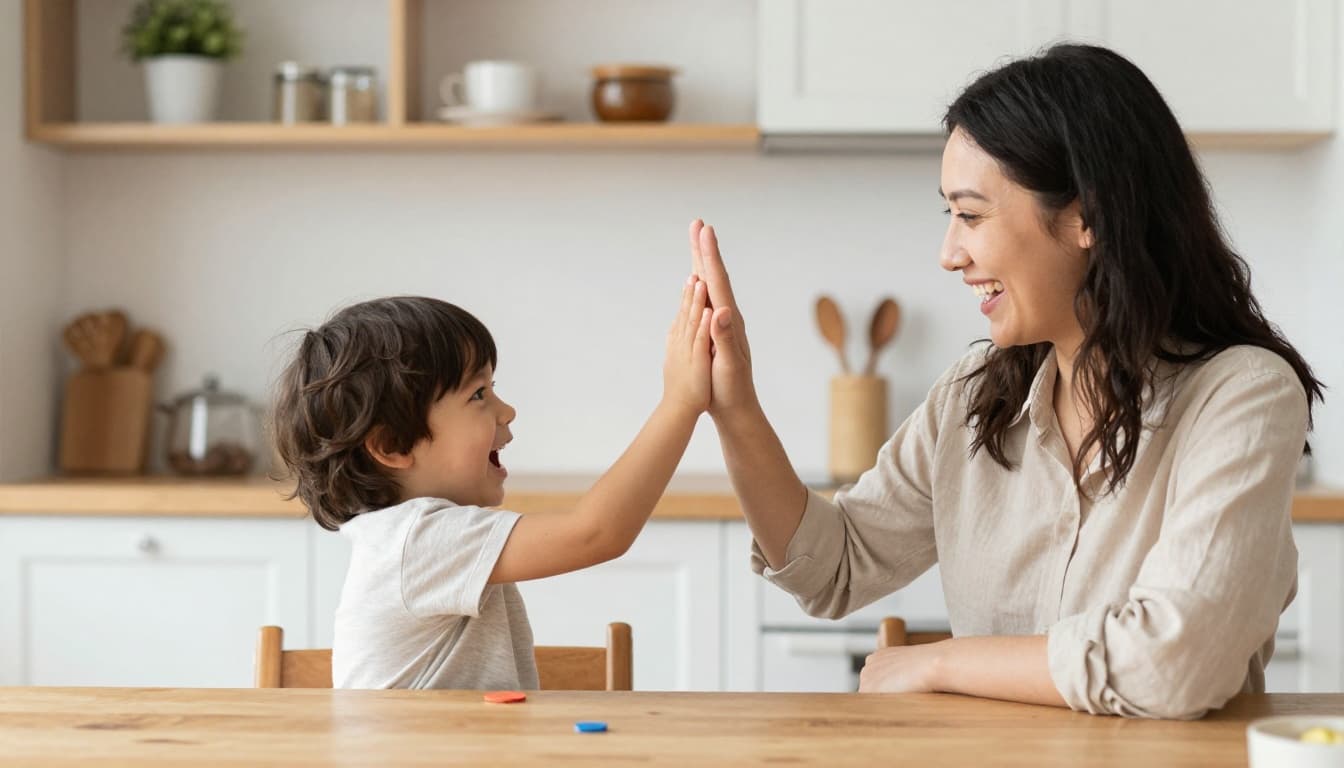
High fives or thumbs up add touch. They release happy brain chemicals. More attention for good work draws kids closer.
Studies show praise builds self-worth without bribes. For details on praise examples for parents, check this guide. Social rewards strengthen ties. Use them daily.
Using Tangible and Token Rewards Smartly
Stickers or treats work for quick wins. Give one after potty success or homework.
Token systems shine for chores. Earn stars on a chart. Trade for toys later.
Don’t overdo it. Phase out as habits form. Pets love this too. A dog training reward guide explains treats best.
Tailor to age. Kids swap points. Dogs get kibble. Watch results and tweak.
Positive Reinforcement Success Stories from Parenting to the Workplace
Real life proves it. Parents sticker-chart bedtimes. Kids sleep better. Dogs recall off-leash with treats. Classes buzz with praise.
Recent studies back this. In schools, focus rises 30%. Workplaces see happier teams. Pets learn faster without fear.
See yourself in these wins.
Bringing Harmony Home: Parenting Wins
Mom tracks truth-telling with stickers. Kid trades for park time. Honesty grows. Family chats improve.
Praise chores like “You cleared the table fast!” Dads report less nagging. Bonds tighten. Kids gain esteem.
One study notes better school scores and emotions from this.
Training Pets with Patience and Treats
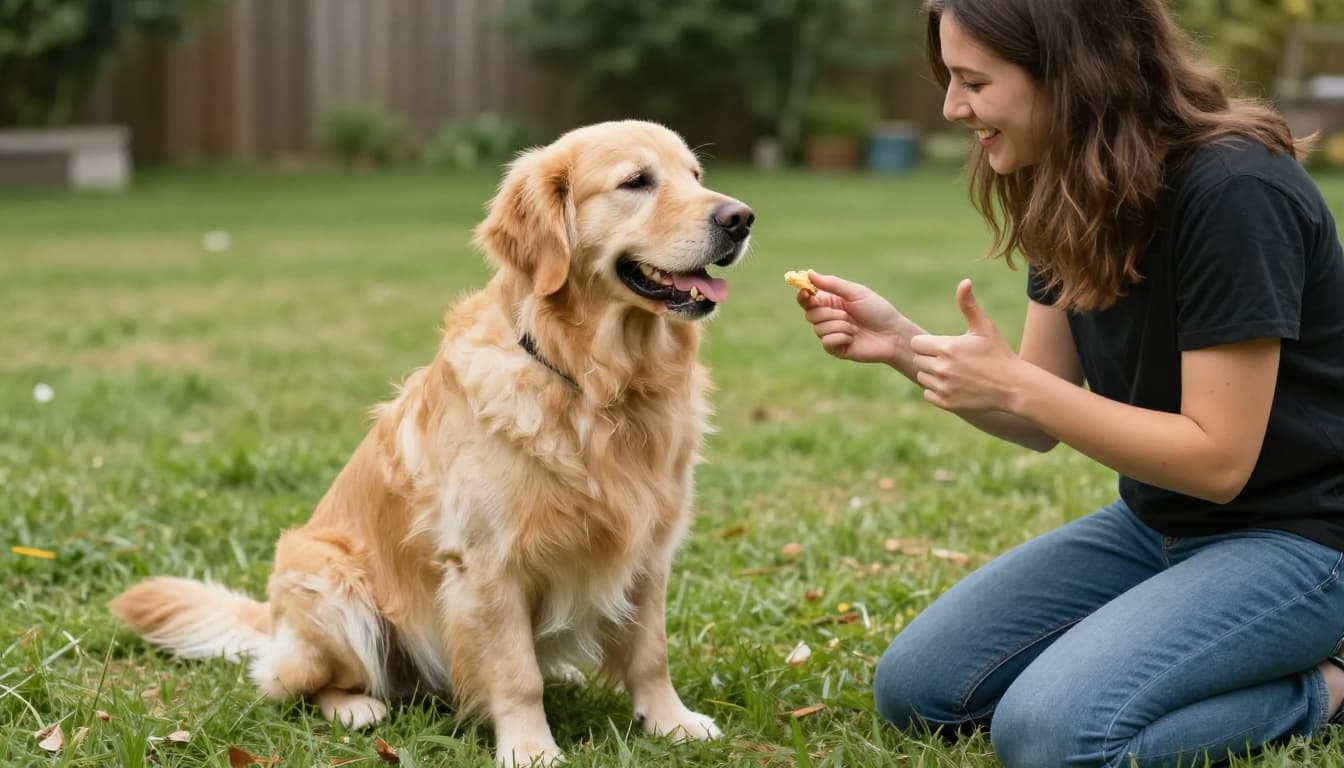
Your pup sits. Treat drops instant. It sits more. Recall comes next.
Patience pays. Short sessions work. Joy shows in wags. For Humane Society tips on dog rewards, see how praise pairs with food.
Habits last. No leash pulls.
Boosting Classroom Confidence
Teachers praise focus. Kids get recess breaks. Attention soars.
Action research shows critical thinking up. Anxiety drops. Social skills bloom. Students self-monitor better.
Young ones gain memory and language too.
Motivating Teams at Work
Boss shouts out sales wins. Team morale climbs. Bonuses follow top work.
Retention grows. Confidence builds. Check workplace reinforcement examples for 90 ideas.
Satisfaction rises across shifts.
Reap the Rewards and Sidestep These Sneaky Mistakes
Benefits stack up. Learning speeds. Confidence surges. Motivation lasts. Relationships warm.
March 2026 studies confirm less stress in homes and schools. Work sees steady performance.
Avoid slips for best results.
Life-Changing Benefits Backed by Studies
Skills grow fast because brains link rewards tight.
Stress falls. Kids and workers join in more.
Joy spreads. Parents note strong bonds. Teachers see engagement.
Coaches report repeat efforts.
Pitfalls That Undermine Your Efforts and How to Fix Them
Bribes come before. Reinforcement follows after. Fix: wait for the act.
Delays weaken links. Give instant.
Generic rewards flop. Tailor to tastes.
Ignore data? Tweak based on trends.
Plan rewards. Monitor weekly. Stay consistent.
Positive reinforcement adds nice things after good acts. Habits form easy.
Try praise today at home or work. One high five changes a day.
Share your wins in comments. Subscribe for more tips. Pin this for later.
Small rewards spark big joy.