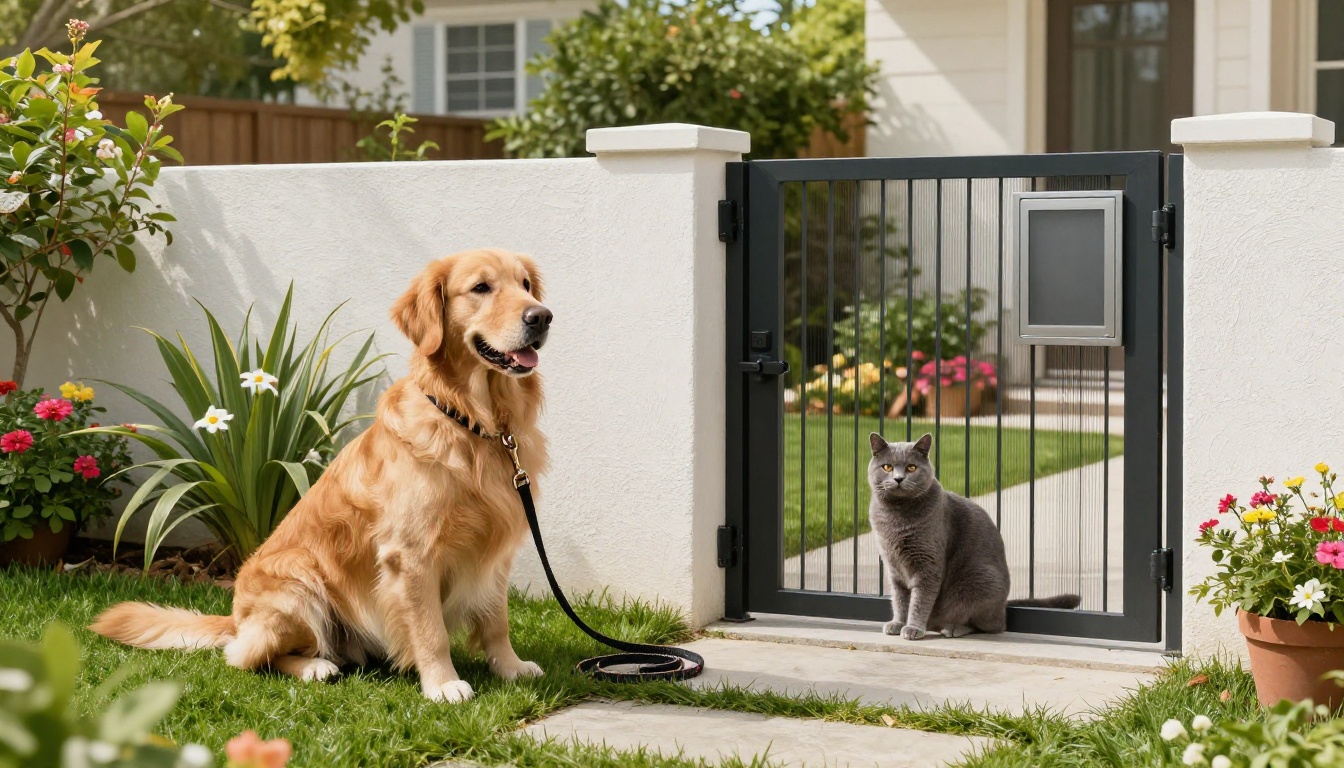
Picture this. You step out to grab the mail. Your dog bolts through the open gate. Panic hits as you call their name into the empty street. Cats do it too, slipping past legs at the door. In 2024, over 1.7 million pets went missing in the US alone. That’s about 1.22 million dogs and 346,000 cats. Yet 63% of dogs and 52% of cats found their way home. Most escapes happen because of simple oversights at home or in the yard.
Traffic, wildlife fights, and bad weather turn quick dashes into real dangers. You can stop this with basic fixes. These steps work for dogs and cats. They secure your space, train good habits, and add safety nets. First, block indoor routes. Then fortify the yard. Next, train and enrich. Prepare ID tools. Finally, handle stress triggers.
Spot and Block Common Indoor Escape Routes
Pets often start escapes right inside your home. Dogs nudge doors. Cats leap at screens. You carry groceries in, and they dart out. Body block your pet first. Hold them back with your leg or a hand. Then shut the door fast.
Self-closing hinges help a lot. They pull doors shut every time. Add locks or clips too. Baby gates block doorways when you come and go. Pick sturdy ones that latch tight. Check them daily because pets test weak spots.
Windows tempt cats with birds outside. Loose screens let them push through. Inspect screens weekly. Tighten or replace any that sag.
High-rise syndrome kills cats yearly. They fall from open windows chasing sights.
For more on securing windows for cats, see this guide from Furry Critter Network.
Reinforce Doors and Gates
Clever dogs paw at latches. Use carabiners or spring clips on knobs. They block paws but let you open easy. Self-closing hinges add another layer. Install them on all exterior doors.
Train your pet to wait. Put a baby gate across the doorway. Call them to sit behind it before you open the door. Reward with treats. Over time, they stay put. For dog gates, the AKC reviews top options that fit most homes.
Cats squeeze under doors. Add door sweeps or draft stoppers. They fill gaps without much cost.
These fixes cut indoor slips by half. Pets learn boundaries fast with consistency.
Secure Windows and Screens
Cats love perches near windows. Open them for air, but screens fail under weight. Push screens in and out to test. Replace mesh if it tears easy.
Add window locks or stops. They limit how far panes open. Keep furniture away from sills so cats can’t jump up. Restrict access to risky rooms during warm months.
Dogs chew screen edges sometimes. Spray bitter apple on frames. It deters without harm.
Check high windows too. Cats climb curtains for views. Secure rods and limit access.
Fortify Your Yard Against Diggers and Jumpers
Yards seem safe with fences. Dogs dig under. Cats climb over. Inspect your fence weekly. Look for gaps, rust, or loose posts.
Bury barriers stop diggers. Chicken wire works best. Dig a trench 18 inches deep. Lay wire flat outward with the sharp side up. That pokes paws away.
For jumpers, add height. Coyote rollers spin on top. Pets can’t grip them. Lean fence tops outward at 45 degrees. Shaky wire extensions work too.
Never tether pets outside alone. They twist free or get hurt. Supervise playtime instead.
AKC shares tips to keep dogs in the yard. Their advice matches real owner fixes.
Cat owners like Purrfect Fence systems. Reviews praise the escape-proof design for climbers.
Stop Under-Fence Digging
Digging starts at corners or gates. Walk the fence line. Fill old holes with rocks or concrete.
Install chicken wire first. Unroll it along the base. Bury one foot deep, then bend the rest flat outward 18 inches. Staple tight to fence.
Add rocks or railroad ties at the bottom. They weigh down and block starts. Concrete footings last longest but cost more.
Inspect after rain. Wet soil tempts diggers. Repair spots right away.
Rural dogs dig three times more. Secure extra because neighbors’ pets lure them.
Prevent Jumping and Climbing
Tall breeds clear six-foot fences. Add rollers or extensions. Coyote rollers cost under $100 per 10 feet. They mount easy and spin fast.
Remove ramps like stacked wood or low trees. Trim branches back. Corner braces stop leaning fences.
Cats hook claws over tops. Slanted toppers deny holds. Purrfect Fence kits add mesh overhangs.
These changes keep athletic pets in. Test by watching play sessions.
Train and Tire Your Pet to Stay Content Indoors
Bored pets escape for adventure. Dogs chase cars. Cats hunt bugs. Daily walks burn energy. Aim for 30 minutes twice a day.
Recall training keeps them close. Start in quiet yards. Say their name and “come.” Reward big with treats or toys. Add distractions slowly, like balls rolling.
Puzzle toys hold kibble. Kongs stuffed with peanut butter last hours. Rotate them weekly so they stay new.
Cats need climbers and scratchers. Place near windows for views. Laser pointers spark hunts indoors.
Obedience classes build skills. Indoor fetch works on rainy days.
Best Friends Animal Society explains escape motivations. They stress enrichment first.
Master Recall and Basic Commands
Pick a cue like “come.” Use happy tone. Practice 10 times daily.
Start close. Call, reward when they reach you. Back up farther each week.
Add leashes outdoors. Practice amid noises. Fade treats but praise always.
Positive rewards build trust. Punishment scares them away.
Reliable recall cuts chase risks. It works for walks too.
Boost Mental and Physical Enrichment
Hide treats in boxes. Dogs sniff them out. Puzzle feeders slow meals.
Teach tricks like spin or paw. Short sessions keep focus.
Cats chase wand toys. Vertical space with shelves tires them.
Rotate toys every few days. Boredom drops fast.
Enriched pets stay home happy. Escapes lose appeal.
Identify and Track Escaped Pets for Fast Reunions
Prevention beats all, but prep for slip-ups. Microchips scan at vets nationwide. Get one at checkups. It’s quick and painless.
Collars need ID tags with your phone. Update numbers yearly. Add rabies tags too.
GPS trackers clip on collars. They ping locations live. AirTags fit cats; larger ones for dogs.
Leash checks matter. Inspect for frays weekly.
In 2024 data, chipped pets reunited faster. Shelters scan every intake.
Microchip and Tag Essentials
Vets insert chips between shoulders. Register online right away. Update info yearly or after moves.
Tags show “Reward if found” and two phones. Glow ones help at night.
Temp tags for boarders or sitters. They list your contact.
Chips last a lifetime. No battery worries.
GPS Tech for Real-Time Peace of Mind
Trackers like Fi or AirBolt alert if pets roam far. Batteries last days to weeks.
Pick sizes for small cats. Apps show paths and zones.
They cut search time. Pair with chips for backups.
Owners reunite in hours, not days.
Curb Fear and Stress Triggers Before They Bolt
Storms spook pets. Fireworks send them running. July 4 spikes losses 31%.
Keep them inside during bangs. White noise from fans drowns sounds.
Desensitize slow. Play storm tracks low with treats. Build tolerance.
Kids open doors fast. Train them to check first. Use bells on knobs.
Vet meds calm severe cases. Talk options before holidays.
Parks chase other dogs. Leash up and train focus.
Manage triggers, and panic flights drop.
Keep Your Pet Safe Starting Today
Secure doors, gates, and fences first. Train recall and add toys next. Microchip plus GPS seals it. Curb stress to prevent bolts.
These steps reunite most lost pets fast. Act now. Walk your yard. Check chips. Your furry friend counts on you.
Share your escape stories in comments. What fix worked best? Check barriers today and sleep easy.