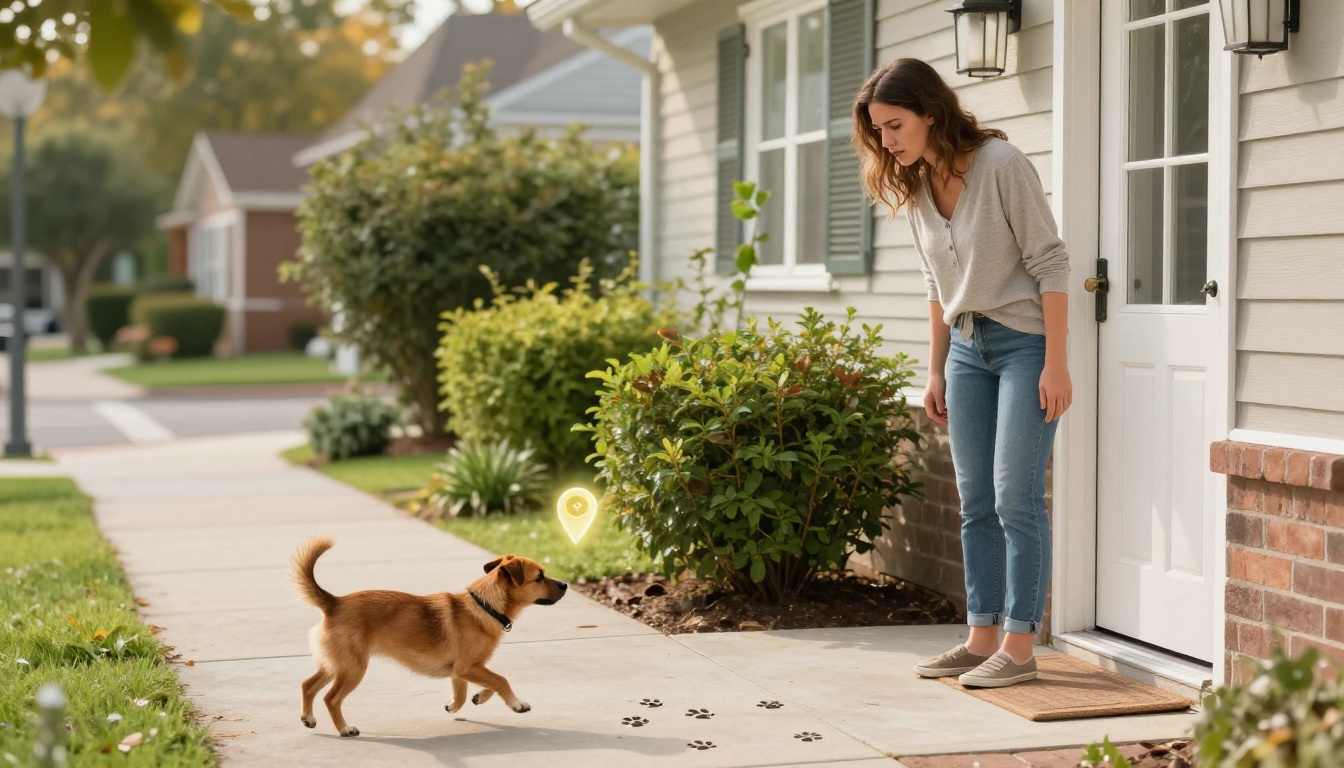
Picture this. You open the door for a quick delivery, and your dog bolts out in a flash. Your heart sinks as you call their name, but they’re gone. Panic sets in, but here’s good news. Quick steps boost recovery odds. Recent data shows over 50% of reported missing pets return home, with dogs at 63% and cats at 52%. Tech like GPS trackers helps even more in 2026.
You can turn fear into hope. Most pets hide close by in the first hours. Act now, and follow this plan. It focuses on the vital first 24 hours, when success rates peak.
Search Your Neighborhood Immediately to Catch Them Close by
Scared pets don’t go far. They often hide within 300 yards, or up to a mile for bolder dogs. The first 15 to 60 minutes count most. Start there before they venture out.
Check common spots first. Look under porches, decks, and sheds. Peek in bushes, garages, and even car engines. Cats love tight squeezes; dogs pick dense cover.
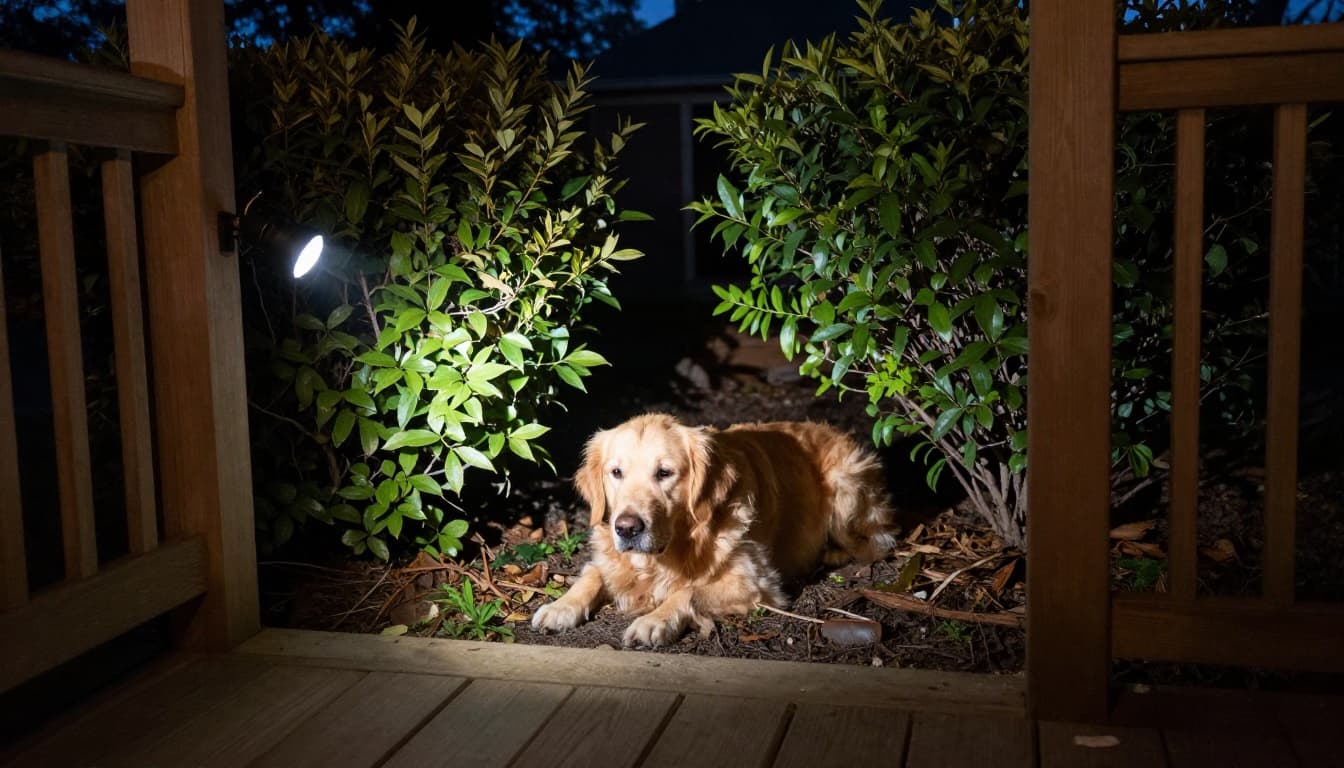
Call their name in a happy tone. Shake treats or a favorite toy. Yelling scares them more, so keep it calm. At night, use a flashlight to scan dark areas. Search again at dawn and dusk, when pets move.
Leave your door cracked open. Place smelly food or worn laundry nearby. The scent draws them back. One owner found their cat this way after two days.
Alert Neighbors and Check for Camera Footage
Neighbors see more than you think. Ask them to check garages, sheds, and basements. Someone might have spotted your pet.
Use apps like Ring Neighbors for footage. Post a description and photo. Neighbors share clips fast. Set up group chats on WhatsApp, Facebook, or Nextdoor. Coordinate searches that way.
Keep one person at home. They act as the command center for tips. This setup catches sightings early.
Contact Shelters, Vets, and Microchip Services Right Away
Don’t wait. Call animal control and shelters within 20 miles. Give a photo, description, and microchip number if they have one.
Visit vets too. Staff scan for chips often. Email photos so they check intakes. For microchips, use the AAHA Universal Pet Microchip Lookup Tool. It alerts the right company fast.
Update your contact info now if needed. This step reunites chipped pets three times faster.
Spread the Word Online and with Flyers for Maximum Reach
Once you’ve searched close by, go wide. Post clear, recent photos everywhere. Include where they went missing, colors, markings, and your contact info.
Start with Nextdoor and local Facebook lost pet groups. Apps like PawBoost blast alerts to millions. They email users and share on social media. Petfinder works well too.
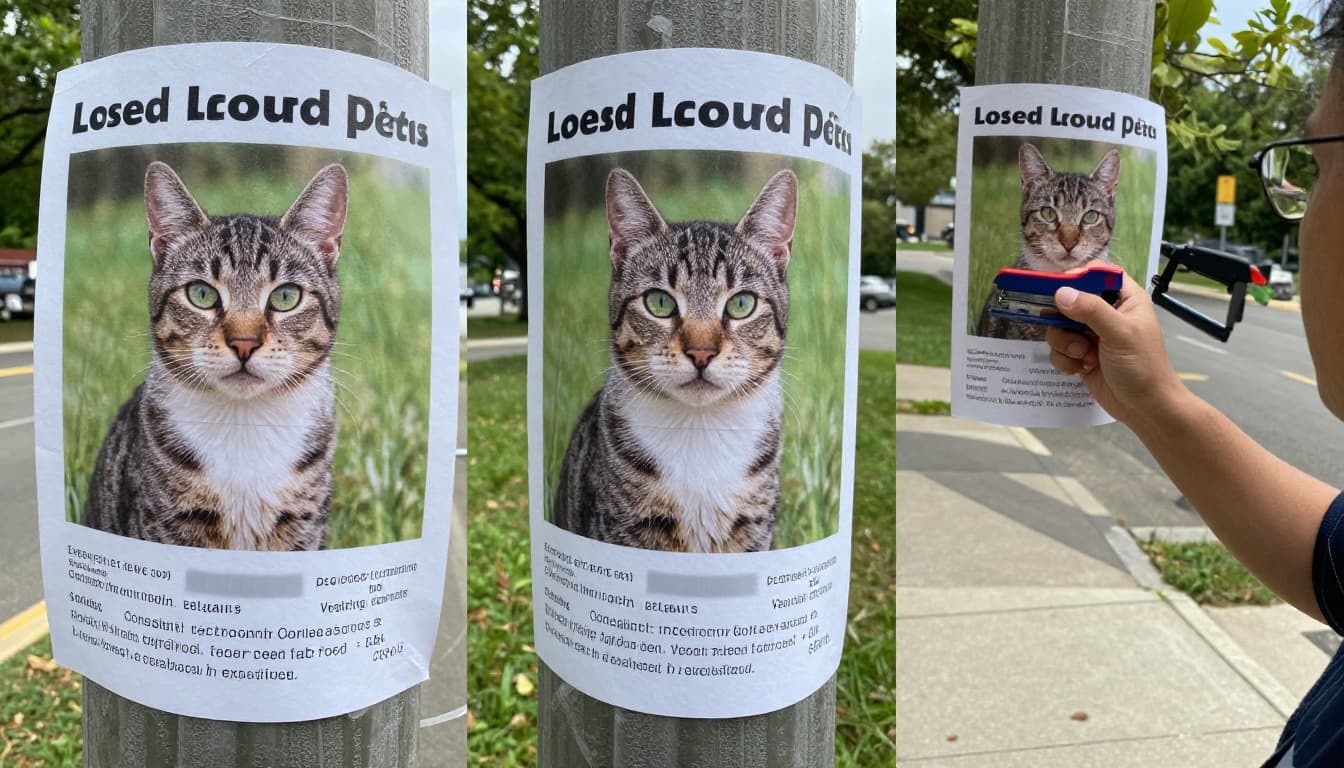
Radio stations often air free lost pet alerts. Call local ones. For flyers, use big photos and bold text. Offer a reward if you can. Post at parks, vets, and stores.
Update posts daily with new details. Communities pull together, especially with 2026 apps speeding shares.
Set Up a Home Base for Ongoing Coordination
Pick a central spot at home. Charge phones there and manage chats. One person logs all tips.
Visit shelters daily. Check their sites and apps too. Set up feeding stations if you get sightings. Put out routine food and water. Sit quiet and far away for days or weeks. This builds trust.
Use humane traps if they come close but won’t approach. Bait with favorites. Check often to avoid stress.
Use Tech and Pro Services to Boost Recovery Odds
Tech stacks odds in your favor. Microchips stay key. They’re painless implants that scanners read fast. Chipped dogs return at 52%, cats up to 38%. Pair them with ID tags.
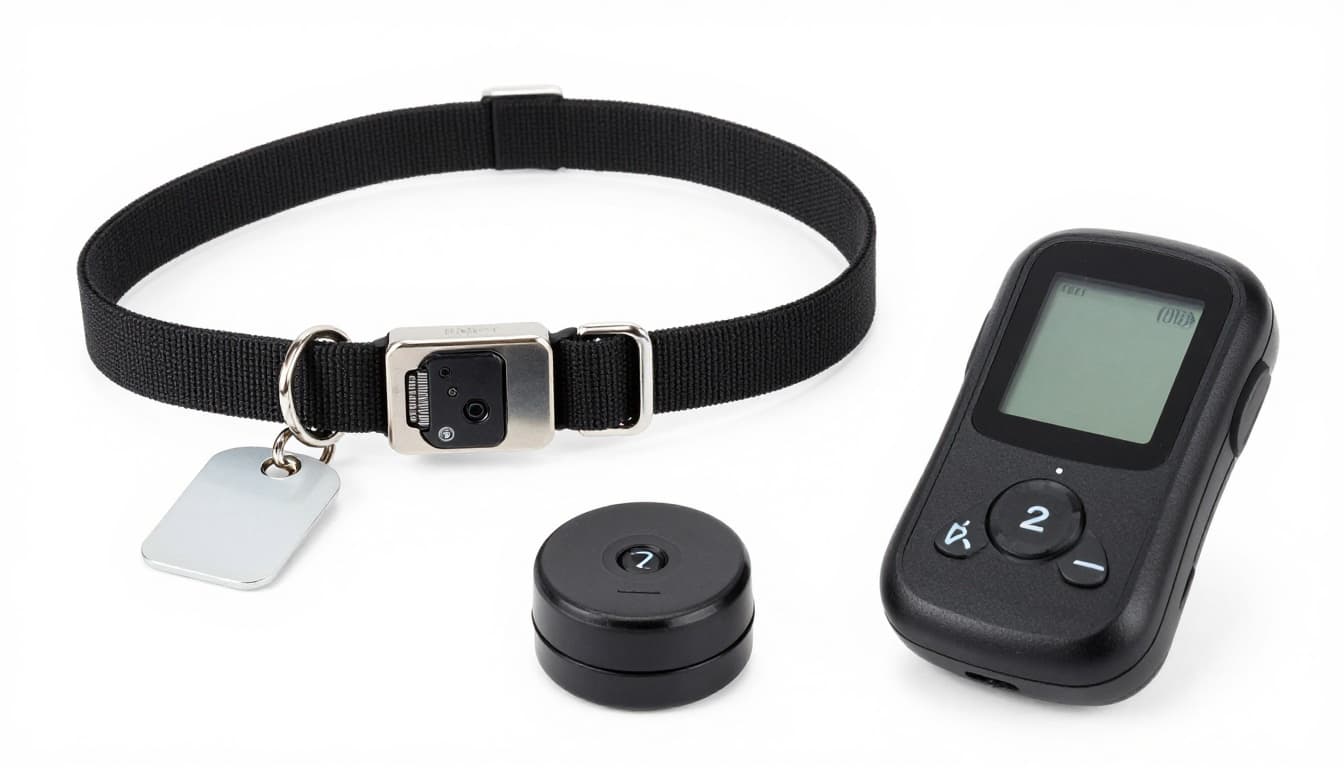
GPS trackers shine in 2026. The US market grows 13% yearly, hitting millions. Brands like Tractive and Whistle offer real-time spots within meters. Geofencing alerts if they leave your yard. Many add health checks too.
Apps like PawBoost and Nextdoor connect finders. Petco Love Lost uses face recognition. Pro groups like Missing Animal Response Network send search dogs.
Some cities let you text “lostpet” for alerts. These tools close gaps, even as shelter intakes dip 4% in 2025.
Follow ASPCA steps for finding lost pets to layer these right.
Prevention Steps to Avoid Future Losses
Prep now for peace. Microchip every pet. Add tags with your phone. Keep recent photos and a description list.
Save local shelter and vet contacts. Secure yards with fences six feet high. Keep doors closed and supervise outdoors.
Train a rock-solid recall. Rewards work best. These habits cut risks big time.
What to Do Once Your Pet Returns Safely
Reunion joy hits hard. Take them to the vet first. Check for injuries, ticks, or dehydration. Lost pets face fights or hunger.
Feed small meals at first. Skip big bowls to avoid tummy upset. Keep them indoors for days. Let them rest and readjust.
Celebrate quiet. Hugs beat parties. Reflect on the scare. It reinforces why prep matters.
Recovery brings huge relief. One family called it their best day ever.
Most lost pets come home with fast action. Search neighborhoods right away. Notify shelters and post online. Tech and communities help too. Stay patient; over half succeed.
Stats show dogs fare best at 63%. Trends like GPS growth lift everyone. Microchip today for your edge.
Share your story if they return. It helps others. Prep your pet now. You’ll sleep better knowing they’re safe.